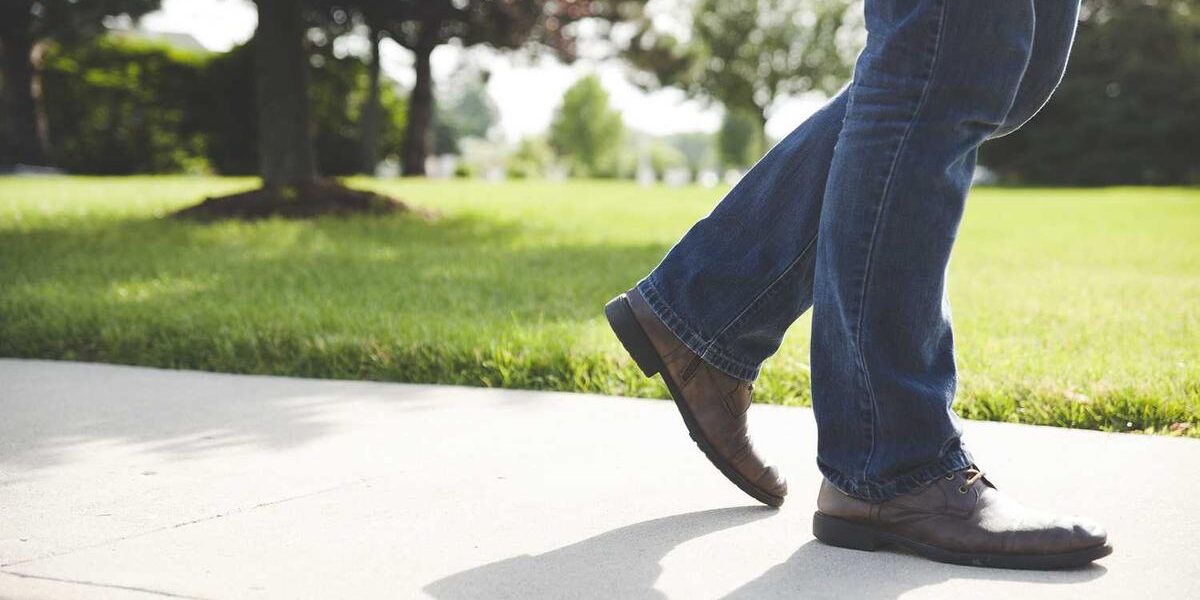
Cyclists and pedestrians share a lot of space—sidewalks, paths, crosswalks, neighborhoods. Making that work safely requires awareness from both sides, but as the faster-moving party, cyclists carry more responsibility.
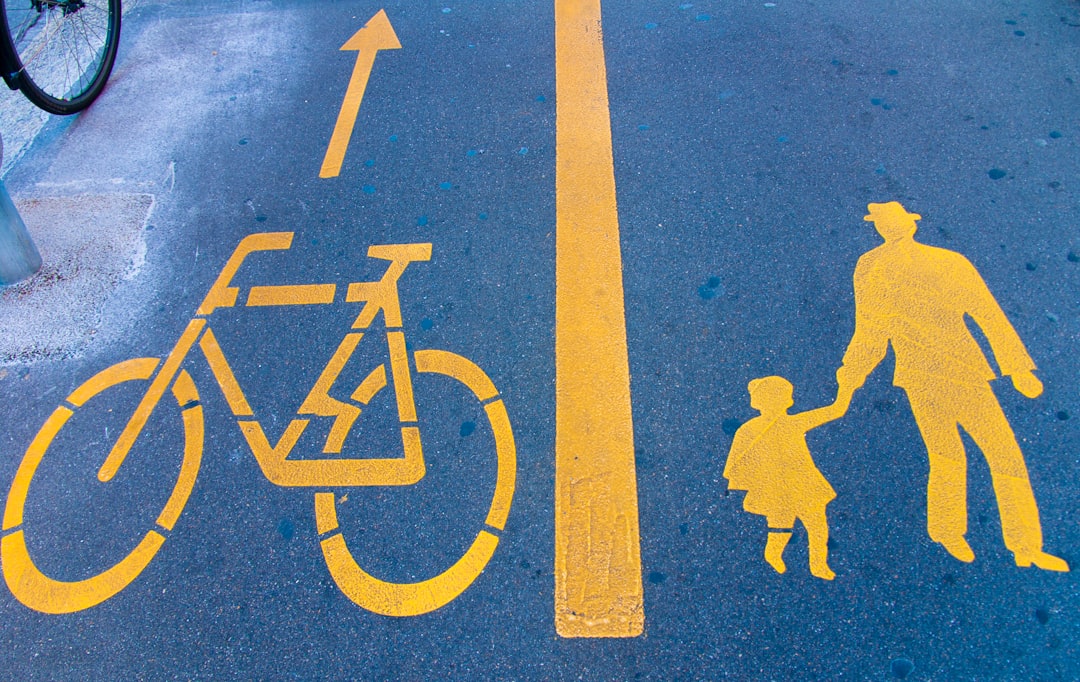
Pedestrian Predictability (or Lack Thereof)
People on foot don’t move in straight lines. They stop suddenly, change direction, step sideways to look at something. Kids run erratically. Dogs on leashes swing wide. Earbuds mean they can’t hear you coming.
Assume pedestrians don’t know you’re there. Even after you ring a bell or call out, assume they might step into your path anyway. Slow down enough that you can stop if they do something unexpected.
Shared Path Etiquette
Announce your presence before passing: “On your left” or a bell. Give warning early enough that they have time to react without startling them. A shout from two feet behind is worse than no warning at all.
Pass with at least 3 feet of clearance, more if possible. Slow down to a reasonable speed—blowing by pedestrians at 20 mph on a shared path is reckless even if technically legal.
Yield to pedestrians when paths merge or cross. They have the right of way. Period.
Sidewalk Riding
In many places, sidewalk riding is illegal for adults. Where it’s allowed, treat it like a shared path—pedestrian speed, not road speed. Sidewalks are designed for walking pace.
Driveways and intersections are the danger zones. Drivers pulling out don’t expect fast-moving traffic on sidewalks. They’re looking for pedestrians walking at 3 mph, not cyclists at 15 mph. If you’re on a sidewalk approaching a driveway, slow way down and assume the driver doesn’t see you.
Crosswalks
Walk your bike through crosswalks if you want pedestrian right-of-way. A cyclist riding through a crosswalk at speed often doesn’t have the legal protections a walking pedestrian has—and drivers aren’t expecting something moving that fast in a crosswalk anyway.
If you ride through, treat it like any intersection: make eye contact with drivers, don’t assume they’ll stop, and be ready to brake.
Vulnerable Road Users
Cyclists are vulnerable compared to cars. But compared to pedestrians, cyclists are the bigger, faster, more dangerous party. A collision between a cyclist and pedestrian can cause serious injury—mostly to the pedestrian.
Ride accordingly. Give extra space to elderly walkers, small children, disabled individuals, and anyone who might not react predictably. The few seconds you lose by slowing down aren’t worth the consequences of a collision.
Building Goodwill
Every interaction between cyclists and pedestrians affects how the next one goes. A cyclist who courteously slows and announces a pass makes pedestrians more comfortable with bikes on the path. A cyclist who buzzes by silently at high speed makes people resent all cyclists.
We share the infrastructure. Being decent about it isn’t just safer—it’s how we keep access to that infrastructure in the long term.

Leave a Reply