As someone who got hit riding home from work at dusk, I learned everything about night visibility the hardest possible way. Driver said “I didn’t see you.” Fair point – I was wearing black. Painful lesson absorbed.
The Light Setup That Actually Works
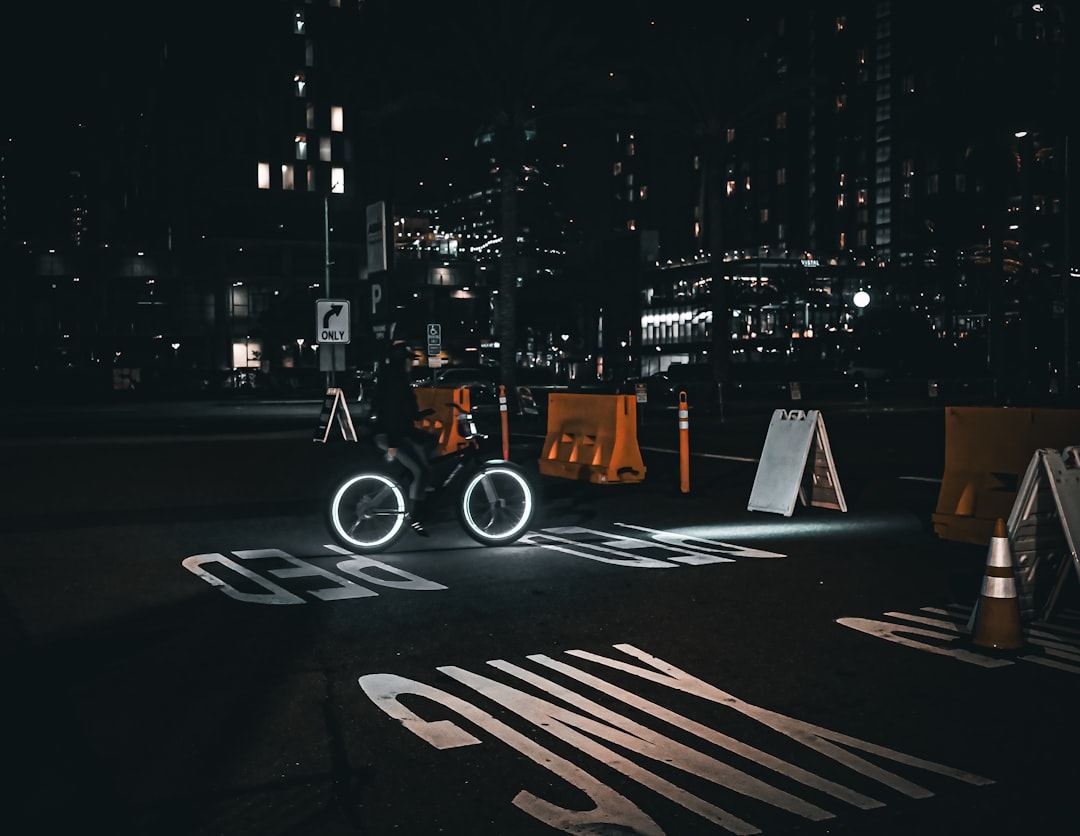
Front light needs at least 500 lumens for unlit roads. I run a blinking light on my helmet plus a steady beam on the handlebars. That’s what makes redundancy essential – batteries fail when you need them most.
Rear light should be as bright as possible, visible from 500+ feet minimum. I run two: one flashing, one steady. Drivers judge approaching distance better with steady lights, but flashers grab attention.
Reflective Everything
Lights provide active visibility. Reflective materials work passively – they function even when batteries die. Tape on your frame, wheels, pedals. Jacket or vest with reflective strips.
Ankle bands are surprisingly effective. The motion of your spinning feet catches eyes more than static reflective patches ever will.
Route Selection Changes at Night
Streets you’d ride comfortably at noon become dangerous after dark. Choose routes with street lights, lighter traffic, better sight lines for everyone.
That shortcut through the unlit industrial area? Skip it after sunset. Extra miles on well-lit roads beats a collision every time.
Adjusting Your Speed
Your reaction time remains constant but you perceive less. Potholes appear suddenly. Animals dart across your path. Ride slower than you would in daylight.
Corners especially – you can’t assess road conditions until you’re already in them.
Managing Eye Adjustment
Clear lenses, obviously. But also: avoid staring directly at bright headlights. Look toward the side of the road. Preserve your night vision as much as possible between passing vehicles.
Some riders use amber lenses that cut glare while maintaining overall visibility. Worth experimenting with.