As someone who used hand signals for years before realizing half the drivers had no clue what I was doing, I learned everything about signal effectiveness the frustrating way. Apparently driver’s ed doesn’t teach bicycle signals anymore, if it ever did.
The Three Essential Signals
Left turn – Left arm straight out horizontally. Simple enough. Most drivers actually recognize this one.
Right turn – Either right arm straight out (more intuitive for everyone) or left arm bent up at the elbow (traditional but confusing). I use the right arm extended because drivers actually understand it.
Stopping – Left arm extended downward with palm facing backward. Or right arm bent down. Honestly the least recognized signal of the three.
The Reality Check
Signals communicate your intent. They don’t protect you. Signal first, then verify traffic is actually allowing you to complete the maneuver.
That’s what makes this distinction critical: don’t assume signaling creates any obligation. Drivers ignore signals constantly.
When Signals Actually Help
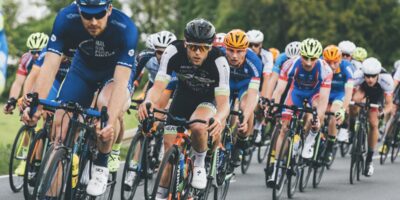
Group rides – other cyclists understand the system. Important for avoiding crashes within the group.
Slower traffic situations – gives cars behind you advance warning. They may or may not respond, but at least they can’t claim complete ignorance.
Turn lanes – shows you’re taking the lane intentionally rather than drifting. Projects more confident positioning.
One-Handed Stability Matters
Signaling means one hand off the bars. Practice comfortable one-handed riding before you need to signal in active traffic.
On bumpy roads or at higher speeds, sometimes keeping both hands on the bars matters more than proper signaling. Staying upright beats textbook procedure.
Eye Contact Beats Signals
Making eye contact with a driver tells you more than any signal tells them. They’ve acknowledged your existence. That’s what actually matters.
Signals are courtesy. Eye contact is confirmation. Prioritize accordingly.