
As someone who joined a group ride without knowing any of the signals, I learned everything the embarrassing way. Someone pointed at the ground and I had no clue what it meant – nearly caused a pileup swerving to avoid whatever mystery hazard they were indicating. Learn these before riding with others.
Universal Turn and Stop Signals
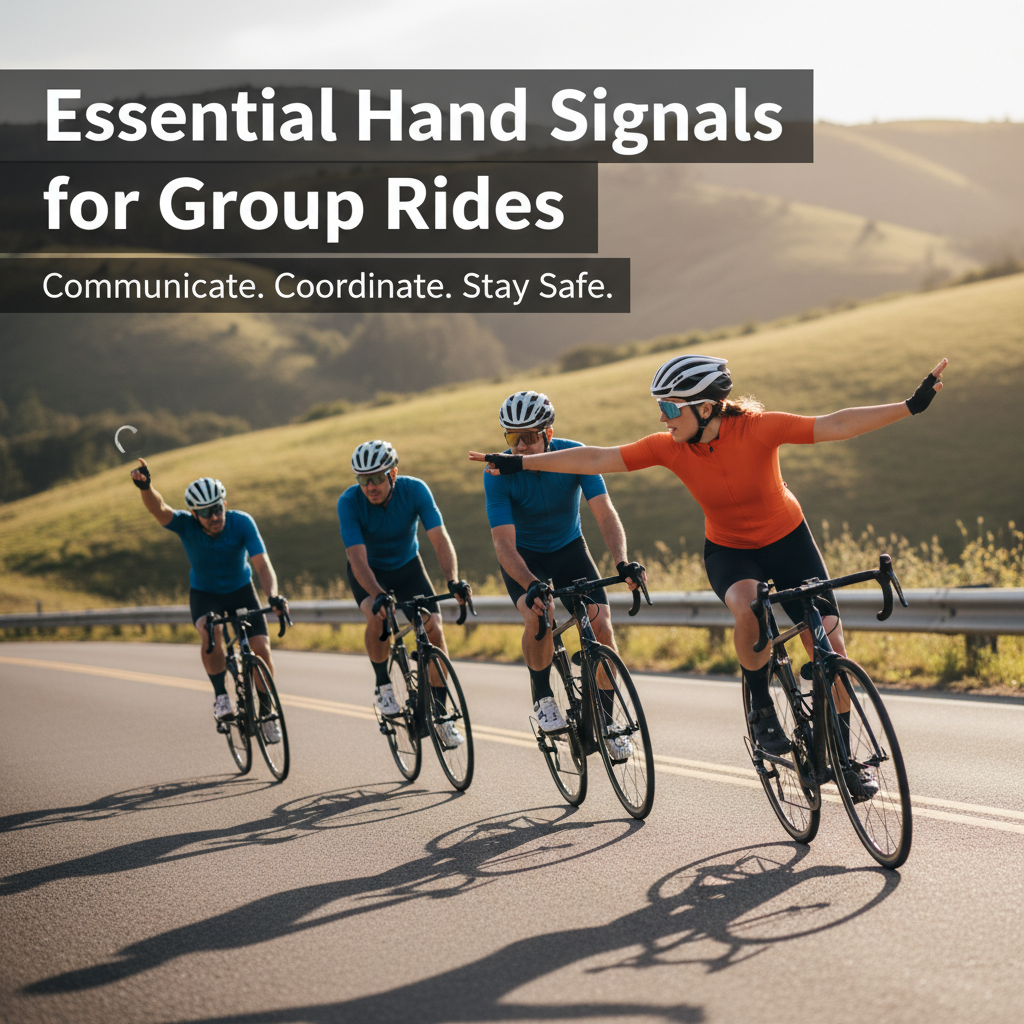
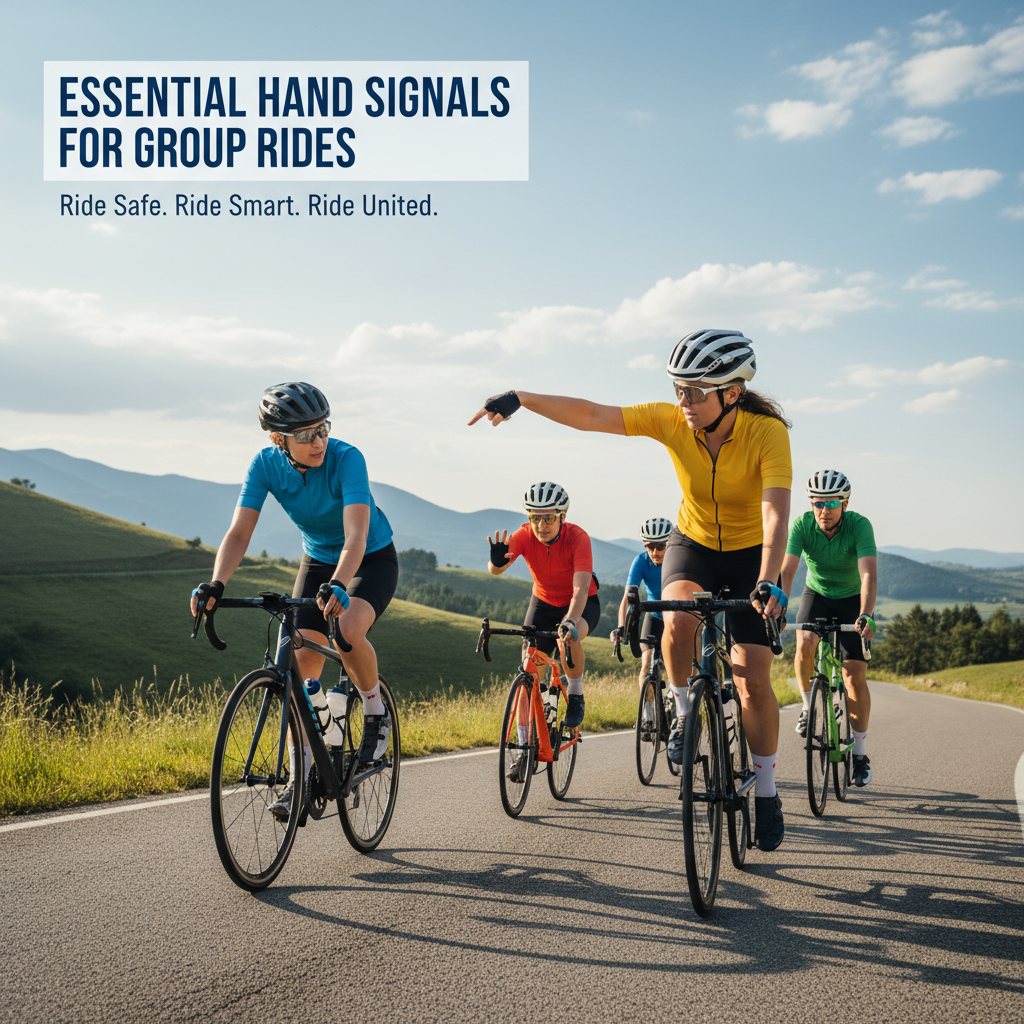
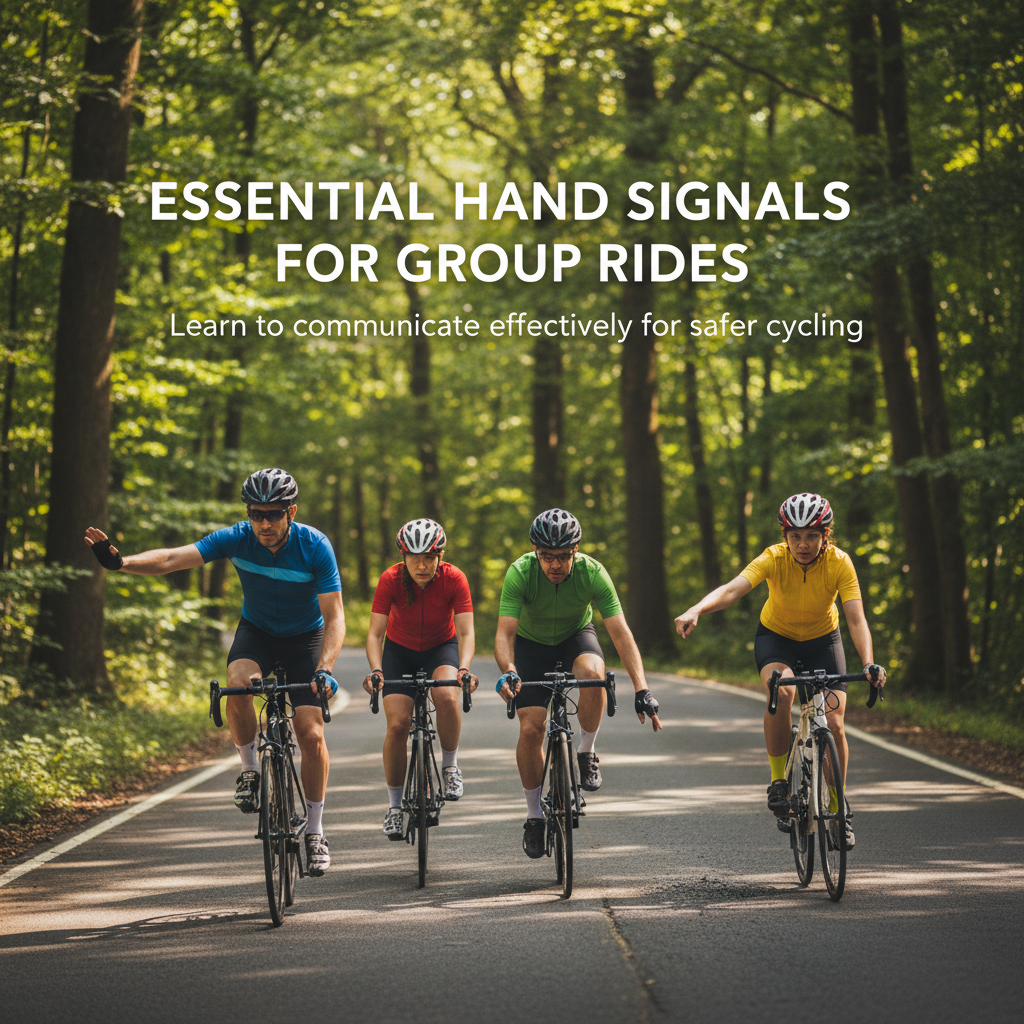
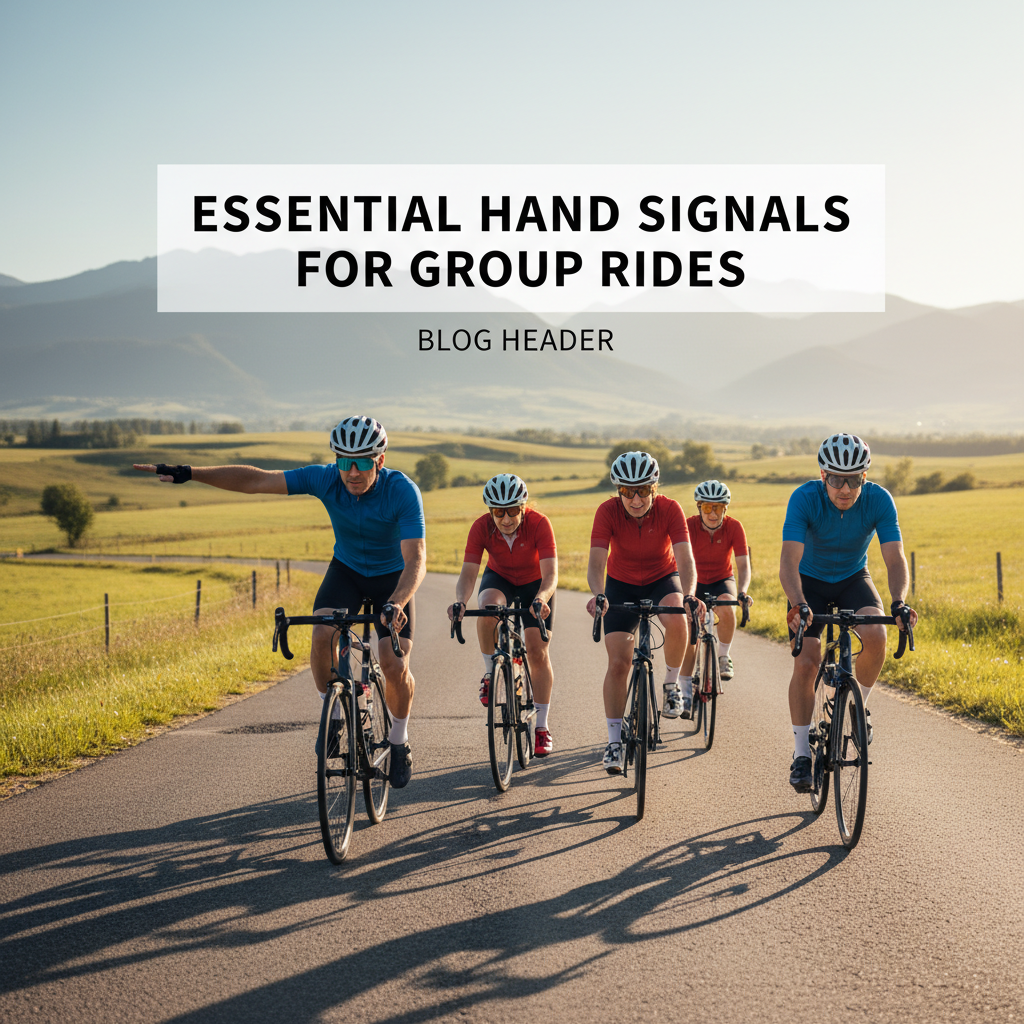
Left arm straight out means left turn. Right arm straight out means right turn. Some old-school riders use the bent-arm method where left arm pointing up means right turn, but it’s dated and confuses most people now. Just point where you’re going.
Hand behind your back with palm facing the riders behind you signals slowing or stopping. Crucial in pace lines when the person ahead starts braking – gives everyone reaction time.
Road Hazard Communication
Pointing down at the road indicates an obstacle ahead – pothole, broken glass, debris, road kill. Point directly at it so riders behind know exactly what to avoid and where.
Waving your hand behind your back in a side-to-side motion means there’s a car behind looking to pass. Time to single up if you’re riding two abreast and give them room.
Paceline and Group-Specific Signals
Patting the air downward with your palm tells the group to slow the pace. Flat hand raised means full stop coming. Circling hand indicates it’s time to rotate in the paceline.
Verbal callouts work too – “car back” or “car up” gets the message across. Not subtle, but effective when you need to communicate quickly.
Timing Is Everything
Signal early. Give people behind you actual time to process and react. Last-second signals cause the crashes they’re supposed to prevent. Point at that pothole from 50 feet away, not as you’re already swerving around it.
Keep one hand on your bars while signaling. A sudden stop while signaling with both hands off equals a very bad day.
Beyond Hand Signals
Talk to people around you. “Slowing,” “stopping,” “hole right,” “glass” – verbal communication fills the gaps that hand signals miss, especially for hazards that appear suddenly.
That’s what makes pre-ride communication endearing to us regulars – we remember being the confused newbie. A quick signal review before rolling out prevents confusion and keeps everyone safer.