As someone who narrowly avoided hitting a kid who darted between parked cars, I learned everything about emergency stops in about two seconds flat. Heart pounding for the next mile, I realized that technique saved both of us. That’s what makes practicing this skill non-negotiable.
The Core Technique
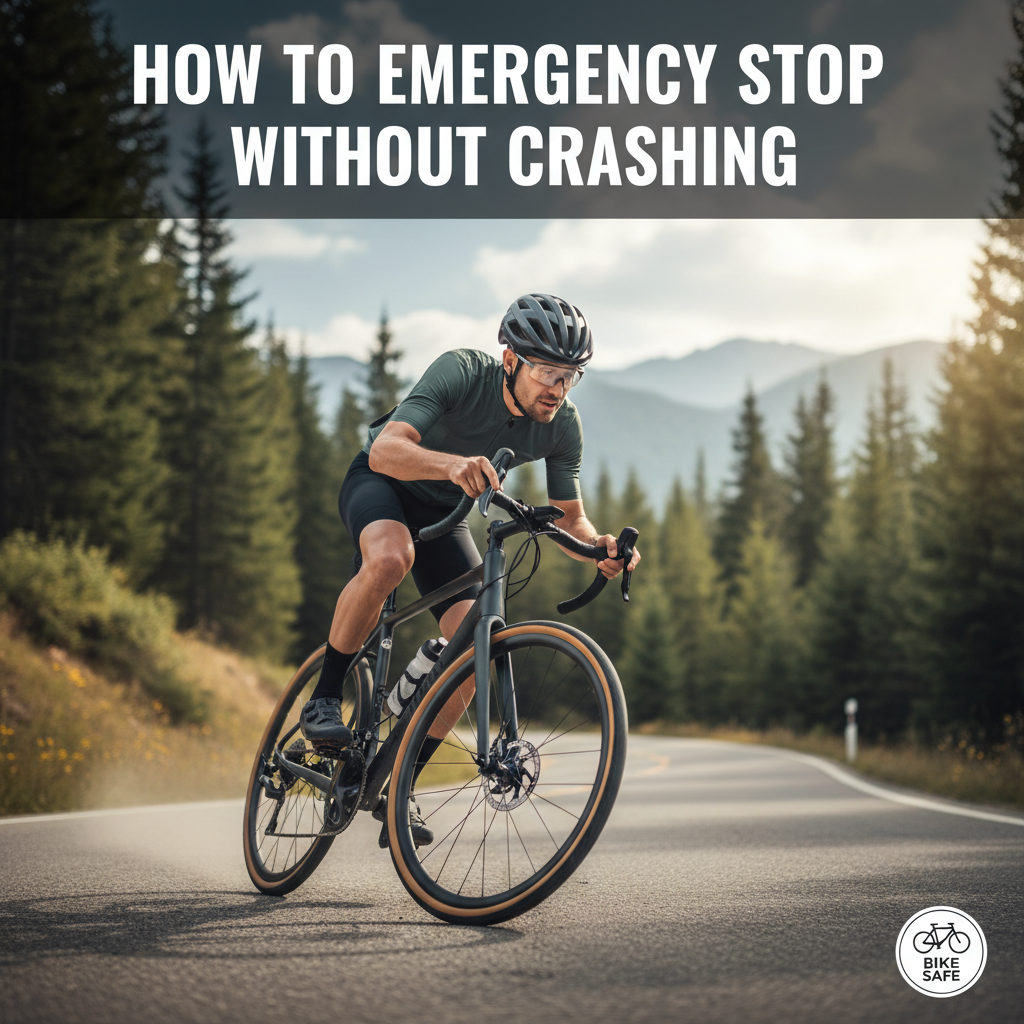
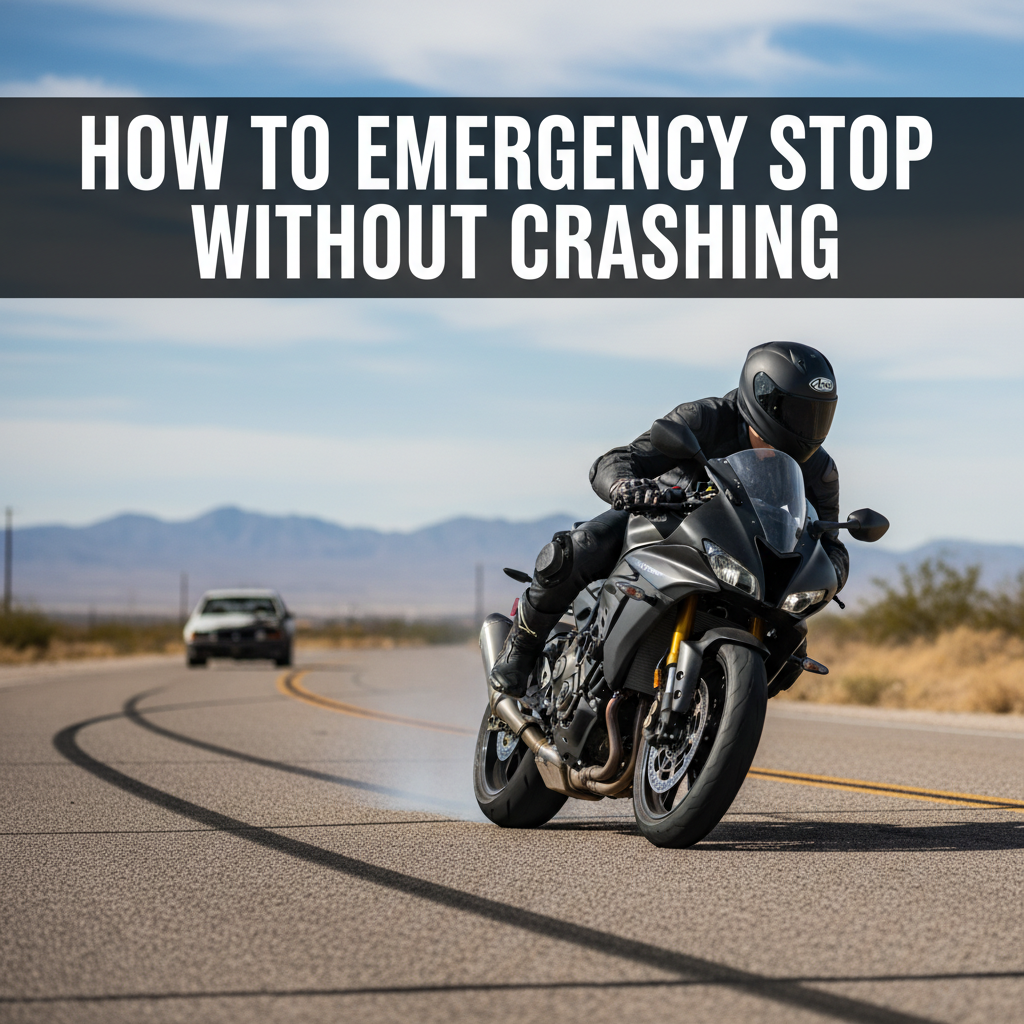
Both brakes, applied hard but controlled. Your front brake provides roughly 70% of stopping power – but front brake alone at speed sends you over the handlebars. You need both working together in a coordinated squeeze.
Here’s the critical part: shift your weight backward as you brake. Get your butt off the saddle and push it behind the seat if you can manage it. This keeps weight on the rear wheel so it stays planted instead of lifting.
Understanding the Physics
Braking naturally shifts weight forward. The harder you brake, the more weight transfers to the front wheel and away from the rear. Too much front brake with forward weight positioning equals an over-the-bars crash.
A locked rear wheel skids, which feels scary but keeps you upright. A locked front wheel at speed means you’re going down, period. Modulate the front carefully while squeezing the rear firmly.
Practice Until It’s Automatic
Find an empty parking lot. Build up to a moderate speed, then practice stopping as hard as possible without skidding or flipping. Feel where the limits actually are rather than guessing.
Repeat until the weight shift becomes instinct. Real emergencies give you no thinking time – your body needs to react correctly before your brain catches up.
Adjusting for Wet Conditions
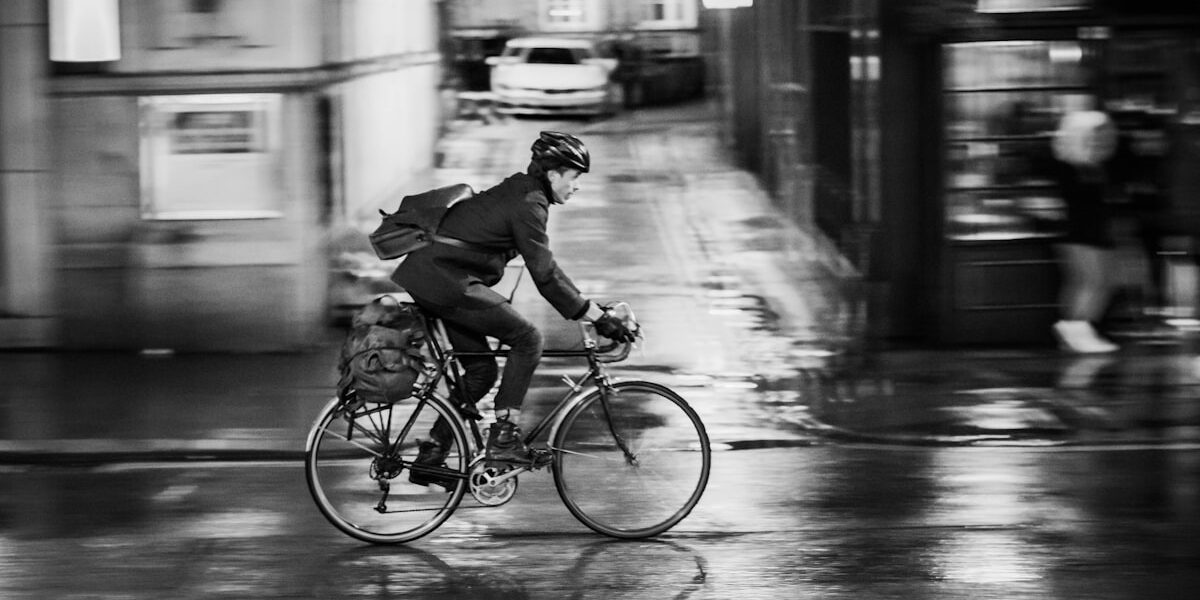
Stopping distance doubles or worse on wet pavement. Start braking earlier. Apply both brakes more gently. Rim brakes especially lose significant grip when wet.
Disc brakes help in rain but still demand respect and caution.
Common Mistakes to Avoid
Grabbing only the front brake is the panic instinct, and it ends badly. Braking mid-turn risks a slide – straighten the bike first, then stop. Locking up and skidding means losing steering control exactly when you need it most.
Panic grabbing is the natural human response. Training overrides it. Probably should have led with this: practice until good technique becomes your automatic panic response. It might save your life.