As someone who’s racked up over 15,000 miles on roads, I learned everything about crash avoidance the expensive way – a few close calls that still make my heart race when I think about them. Zero serious crashes though. That’s not luck; it’s habits developed through paying attention.
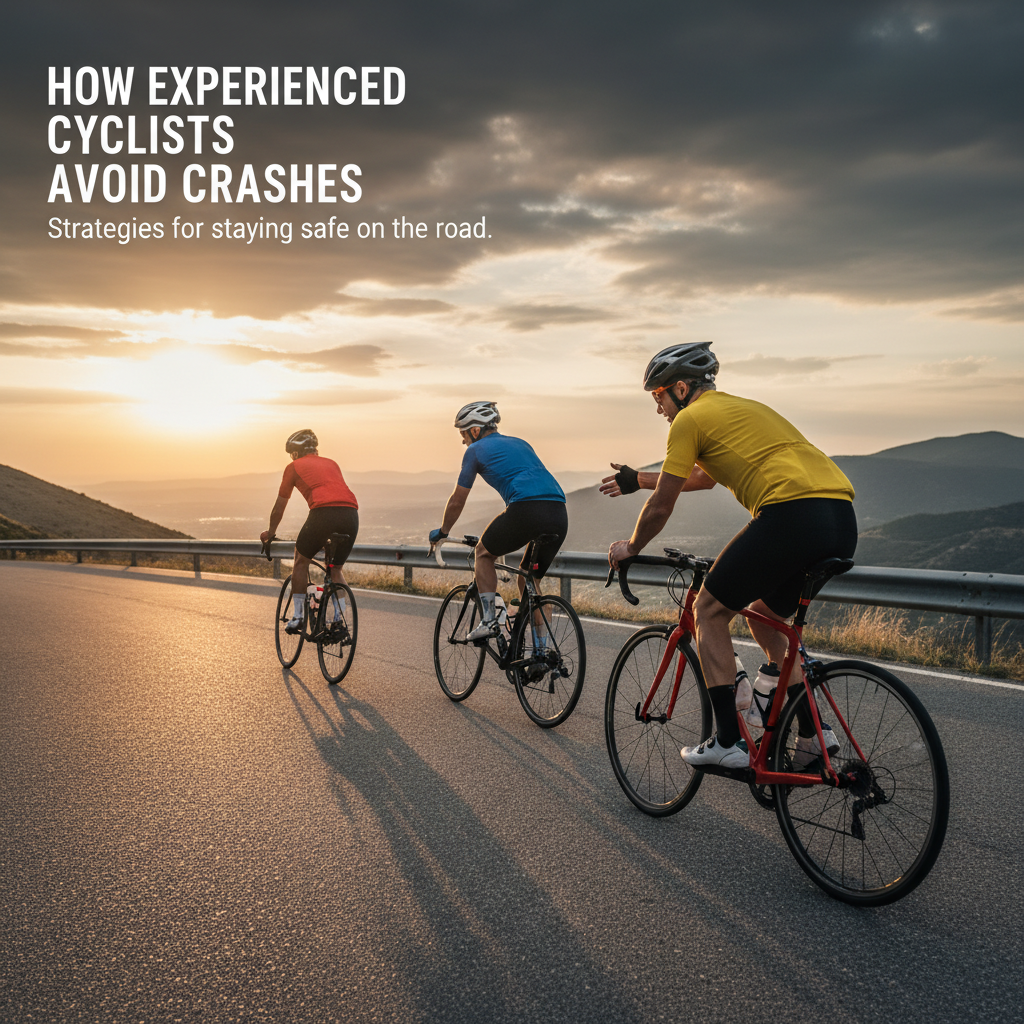
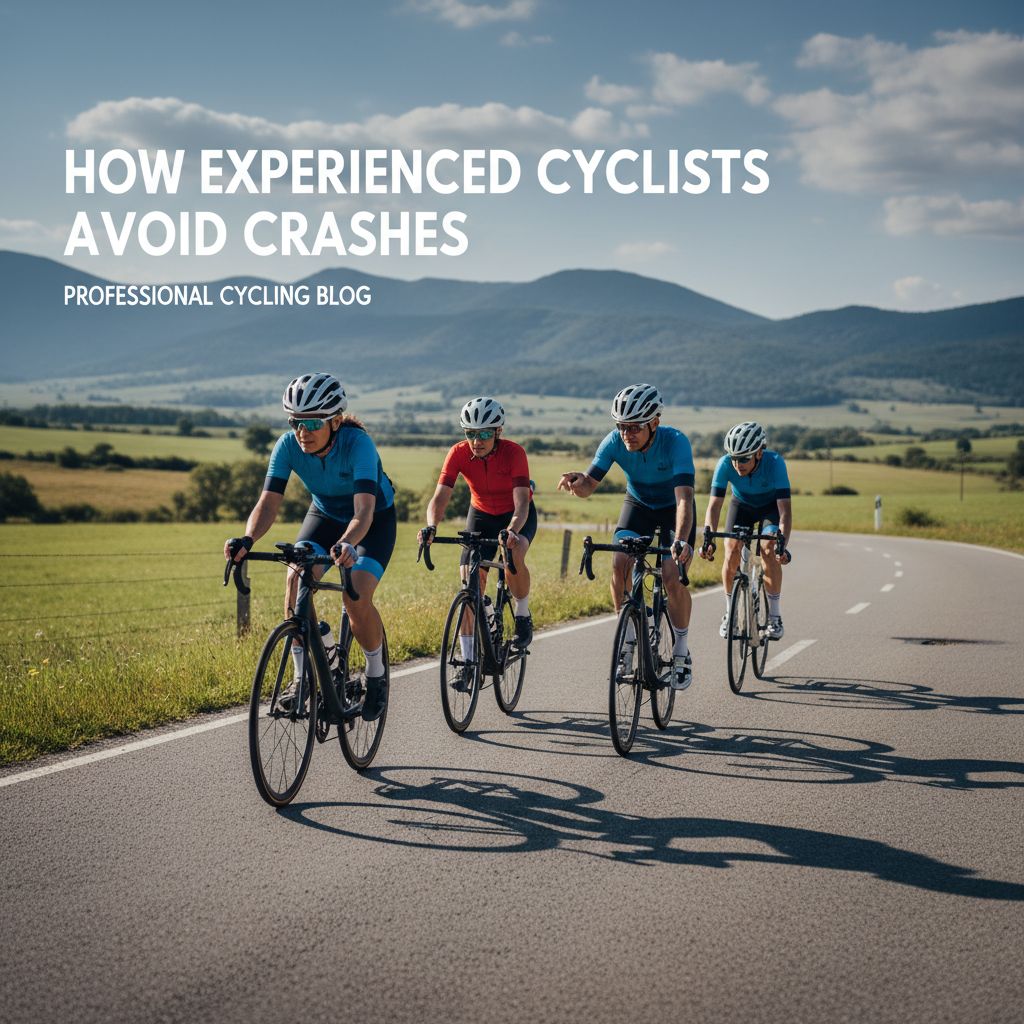
Ride Like You’re Invisible
Because to most drivers, you are. Their brains scan for car-shaped objects; bicycle-shaped objects don’t register the same way. Make eye contact at intersections before assuming someone will yield. That moment of confirmation has saved me more times than I can count.
Predictability Beats Aggression
Signal your turns. Ride in consistent lines. Don’t weave between parked cars chasing the “safer” edge position. Erratic movement confuses drivers and creates the collisions you’re trying to avoid.
When the lane is too narrow to share safely, take the whole thing. Being timid at the edge invites uncomfortably close passes. Assertive positioning communicates clearly.
Intersections Want to Kill You
Most bike-car collisions happen at intersections. Right hooks especially – drivers turning right across your path without seeing you. Watch turning vehicles even when you have the legal right of way. Rights of way mean nothing in a hospital bed.
Slow down approaching any intersection. Cover your brakes. Stay ready to stop even when the light stays green.
The Door Zone Exists
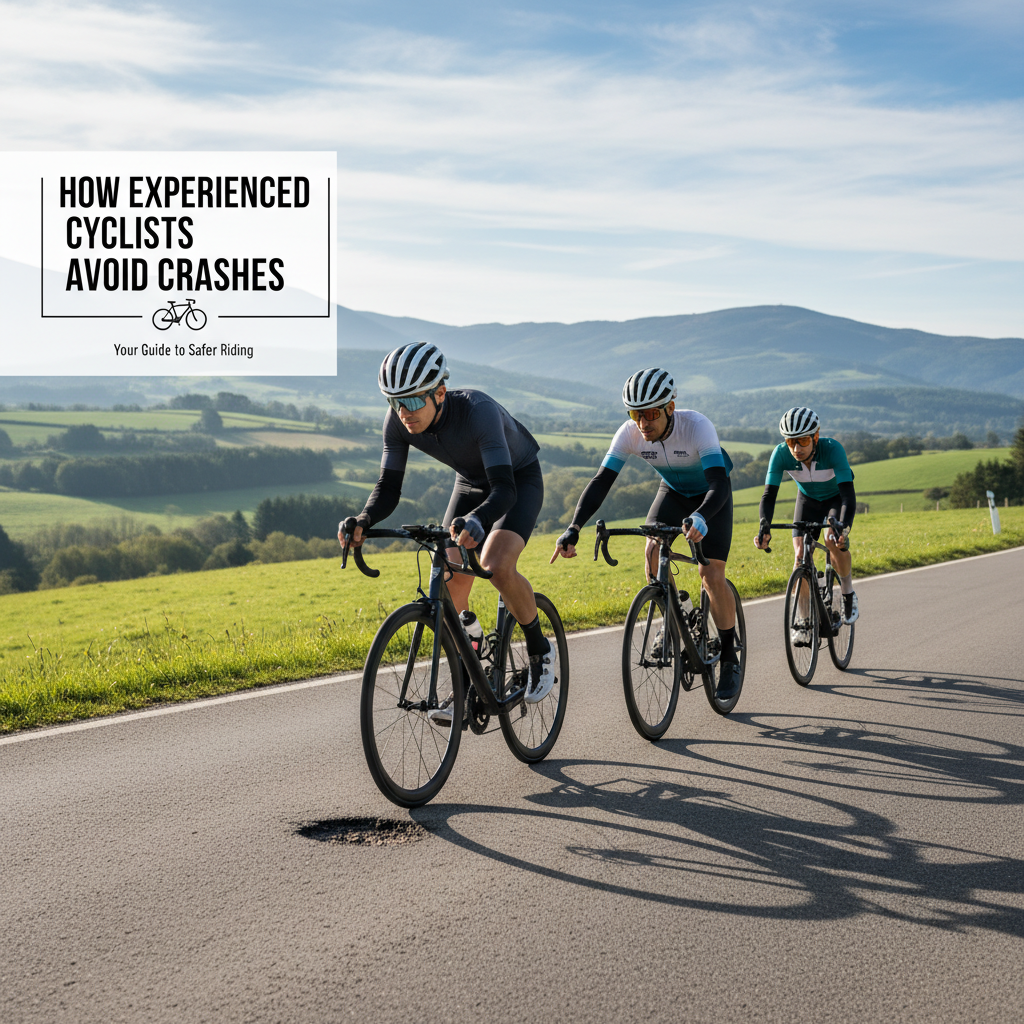
Ride at least four feet from parked cars. Doors swing open without warning. Getting doored at speed causes serious injuries – broken bones, concussions, secondary collisions with traffic.
Yes, this sometimes puts you in the travel lane. That’s what makes the choice clear: controlled lane position beats gambling on whether the person in that parked Camry remembers to check their mirror.
Night Riding Demands Visibility
Front light, rear light, reflective elements on clothing and bike. Be obnoxious about it. That blinking rear light you think annoys drivers? It’s doing exactly what it needs to do – making you impossible to miss.
Weather Changes Everything
Wet roads mean longer stopping distances. Painted lines get slippery as ice. Metal grates become skating rinks. Adjust speed and lean angles when conditions deteriorate. The physics don’t care about your schedule.
Headphones Are a Bad Idea
Just don’t. Or use one ear only if you absolutely must have audio. Hearing cars approach is survival information. Music and podcasts aren’t worth dying for.
Trust Nobody
Not cars, not pedestrians, not other cyclists. Assume everyone will do the dumbest possible thing at the worst possible moment. When they behave normally, pleasant surprise. When they don’t, you’re already prepared.
This sounds paranoid. That’s what makes it effective. Defensive riding isn’t about fear – it’s about having responses ready before you need them.