
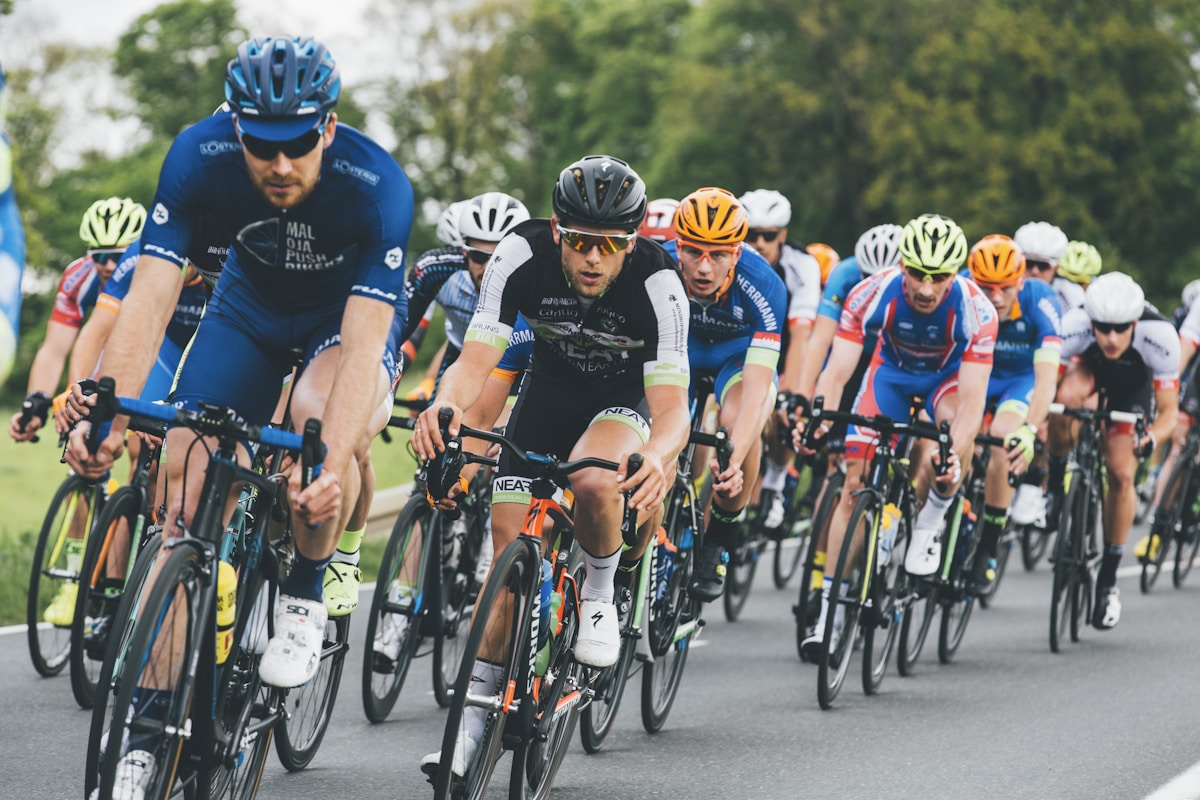
As someone who spent three winters resisting indoor training before finally giving in, I learned everything the hard way. My first setup was a disaster – a cheap magnetic trainer that sounded like a jet engine and a bike position that left me with lower back pain after twenty minutes. Five years and thousands of indoor miles later, I’ve figured out what actually works.
Indoor cycling has gotten less clear-cut with all the tech options out there. Smart trainers, subscription apps, virtual worlds – it’s easy to spend a fortune before pedaling a single revolution. This guide covers what matters and what you can skip, based on actual experience rather than marketing hype.
Choosing Your Indoor Trainer Type
Three main categories exist, and picking wrong means either wasted money or a trainer that becomes an expensive clothes hanger.
Wheel-On Trainers
Wheel-on trainers clamp your rear wheel against a resistance unit. You can be riding within seconds once you figure out the tension adjustment. The rear tire presses against a roller that creates resistance through friction, magnets, or fluid mechanisms.
The upside is cost – decent ones run $150-$400, and you use your regular bike without modifications. The downside is significant: tire wear forces you to either use a dedicated trainer tire or accept replacing your good tire frequently. Slippage during hard sprints gets frustrating, and the noise level might get you evicted from an apartment.
For riding maybe once a week during bad weather, wheel-on trainers make sense. For anything regular, the limitations compound quickly.
Direct Drive Trainers
Direct drive trainers replace your rear wheel completely. Your chain connects straight to the trainer’s resistance unit, eliminating the tire-on-roller interface that causes problems with wheel-on models.
Prices range from $500 to $1,500 for smart trainers that talk to apps. That extra money buys accuracy within a couple percent, quieter operation that won’t wake the family, and road feel simulation that actually tricks your legs into thinking you’re climbing.
If you’re planning to train indoors regularly – say two or more sessions weekly – direct drive pays for itself in better experiences that keep you coming back.
Smart Bikes
Smart bikes are complete systems that don’t need your outdoor bike at all. Basically fancy stationary bikes built with road geometry and app connectivity.
Starting around $2,500 and climbing to $4,000 for premium models like the Wahoo KICKR Bike, these make sense in specific situations: multiple family members training, zero tolerance for setup time, or year-round indoor focus. For most recreational cyclists, they’re overkill.
Power Measurement and Why It Matters
Power meters track effort in watts – an objective measure that doesn’t lie like heart rate does when you’re tired, dehydrated, or stressed from work.
Training with Power
Power-based training organizes around your Functional Threshold Power (FTP) – roughly what you can sustain for an hour of suffering. Everything becomes a percentage of that number.
Zone 2 work at 55-75% FTP builds the aerobic engine through longer, conversational efforts. Zone 4 at 90-105% FTP develops the threshold that determines your sustainable pace. Zone 5 and above builds the anaerobic punch for attacks and sprints.
Accuracy Matters
Budget trainers can read 5-10% off from actual power. That matters less for daily training than for ego – seeing inflated numbers feels good until you try to match them outdoors.
If you already have a power meter on your outdoor bike, calibrate your trainer against it. Most apps let you apply offsets to keep things consistent.
Training Apps and Software
The software side has exploded with options that range from pure entertainment to pure pain.
Zwift
Zwift turns indoor cycling into a video game where you ride through virtual worlds with thousands of other cyclists. The gamification works surprisingly well – hours disappear while chasing achievements and racing strangers.
At $16 monthly, it’s not cheap but delivers genuine value if the format clicks for you. Group rides and races add accountability that solo sessions lack.
TrainerRoad
TrainerRoad strips away the entertainment and focuses on structured workouts designed by coaches. The interface shows power targets and your actual numbers – nothing else. Their AI adjusts plans based on your responses to training.
This appeals to time-crunched athletes who want maximum return per minute. No distractions, just suffering efficiently.
Rouvy and FulGaz
These apps use real video from famous cycling routes, letting you ride the Tour de France climbs from your spare bedroom. The resistance matches the actual gradient of whatever road you’re watching.
Video quality has improved dramatically. For riders who find motivation through exploring rather than racing, these hit differently than cartoon graphics.
Setting Up Your Training Space
Probably should have led with this – the physical setup determines whether indoor training becomes sustainable or abandoned by February.
Cooling
You generate serious heat while pedaling but lack the airflow that outdoor riding provides. Without cooling, your core temperature rises, heart rate drifts up, and performance tanks within twenty minutes.
One large fan pointing at your face and chest changes everything. Industrial box fans from hardware stores ($30-$50) move more air than household fans. Position it six to eight feet away at face height.
Air conditioning helps but isn’t essential with good fan placement. The goal is evaporating sweat rather than creating puddles.
Floor Protection
Sweat contains salt that corrodes everything it touches. Hardwood warps. Carpet absorbs smells. Trainer components rust. A dedicated mat ($30-$80) protects your floor and dampens noise transmission to downstairs neighbors.
Entertainment Setup
Screen size matters more than you’d think. A 40-55 inch TV at eye level makes two hours pass faster than squinting at a laptop screen. Some people run two screens – one for the training app, one for Netflix during easy sessions.
Bike Protection
Sweat corrodes bikes faster indoors than you’d expect. The headset, stem bolts, and handlebar tape take the worst abuse. Wipe everything down after every session.
Many people dedicate an older bike to trainer duty rather than risking their nice outdoor machine. This eliminates setup hassle too.
Structuring Your Indoor Training
Indoor riding demands different planning than outdoor rides where terrain and traffic force variety.
Interval Training
Trainers excel at intervals because you can hit exact power targets for exact durations. No stoplights, no traffic, no terrain surprises. Three 15-minute efforts at 95% FTP with recovery between becomes easy to execute indoors where finding 45 uninterrupted minutes outdoors might be impossible.
Long Endurance Rides
Extended indoor sessions test mental limits more than physical ones. Three hours on a trainer feels longer than four outdoors. Entertainment, position changes, and scheduled snack breaks help manage the monotony.
Consider splitting long sessions when possible. Two 90-minute sessions often work better than one 180-minute slog where motivation evaporates.
Recovery Rides
Easy spinning for 30-45 minutes helps recovery between hard days. The controlled environment prevents accidentally turning easy rides into tempo efforts – a common outdoor problem.
Common Indoor Training Mistakes
Everyone makes these at first. Recognizing them helps you avoid the same traps.
Going Too Hard, Too Often
The controlled environment makes hammering easy. Without wind and traffic forcing easier moments, some cyclists never actually recover between efforts.
Good training programs include 80% easy riding. If every indoor session leaves you destroyed, you’re probably digging a hole.
Neglecting Nutrition and Hydration
You lose more fluid indoors because reduced cooling means less evaporation. Dehydration sneaks up faster than expected. Keep bottles within reach and drink regularly.
Sessions over an hour need carbs – same rules as outdoors.
Inconsistent Setup
Moving your trainer constantly introduces position variations that affect comfort and power. A dedicated space allows consistent setup.
Ignoring Fit Issues
Indoor riding amplifies fit problems because you maintain one position throughout. Outdoors, you naturally shift while climbing, descending, and navigating. Indoors, any discomfort compounds.
If your hands go numb after thirty minutes, address the fit rather than suffering through.
Integrating Indoor and Outdoor Riding
Most cyclists combine both rather than going all-in on either. The flexibility beats pure outdoor training for schedule management.
Weather and daylight make outdoor training impossible during certain seasons in many places. A structured indoor program maintains fitness through those dark months so you’re ready when spring arrives.
Time-crunched riders often use trainers for weekday intervals and save weekends for longer outdoor rides. The efficiency of indoor training – no warmup commute to good roads, no stops – maximizes return per hour available.
That said, bike handling, group riding, and terrain reading only develop outdoors. Both methods have roles in comprehensive training.
Investment Summary
A functional indoor setup ranges from $500 basic to $5,000+ premium. That’s what makes this decision tricky – the right investment depends on how much you’ll actually use it.
Entry Level ($500-$800): Basic wheel-on smart trainer, floor mat, single fan, app subscription. Gets you started adequately.
Intermediate ($1,000-$2,000): Direct drive smart trainer, better cooling, dedicated screen, quality mat. Comfortable for regular use.
Premium ($3,000-$5,000): High-end trainer or smart bike, multiple fans, dedicated climate-controlled space, large display. Rivals commercial cycling studios.
Start at whatever level you can justify, then upgrade based on actual usage rather than optimistic projections.
Maintaining Your Indoor Trainer
Periodic maintenance keeps accuracy intact and extends equipment life.
Calibration
Smart trainers need regular calibration – ideally before each ride or at minimum weekly. The process varies by brand but typically involves a spindown after warming up.
Temperature affects calibration significantly. A cold trainer reads differently than one warmed up to operating temperature. Let it reach normal temp before calibrating.
Cleaning
Wipe down your trainer after sweaty sessions. Salt accumulates on exposed metal and causes corrosion. A damp cloth followed by dry prevents most damage.
Belt and Bearing Wear
Direct drive trainers use belts and bearings that eventually wear. Strange noises, inconsistent resistance, or drifting power readings indicate maintenance time.
Most brands offer replacement parts and guides. Addressing wear promptly prevents expensive damage.
Building Sustainable Indoor Habits
Equipment matters less than consistency. The fanciest trainer accomplishes nothing if you avoid using it.
Schedule Training Like Appointments
Block training time on your calendar with the same priority as work meetings. Waiting for spare time rarely produces consistent results.
Morning sessions before work eliminate evening conflicts. Evening sessions risk getting crowded out by family, work overflow, or simple tiredness.
Prepare the Night Before
Lay out cycling kit, fill bottles, queue up any technology before bed. Reducing morning friction makes starting easier when motivation runs low.
If your trainer needs setup, leave it assembled during training blocks.
Join Virtual Groups
Social features in apps like Zwift create accountability. Scheduled group rides build commitment that solo sessions lack.
Many cycling clubs maintain virtual presences now. Finding groups in your time zone and fitness level helps with consistency.
Track Progress Deliberately
Apps automatically record everything, but deliberate review accelerates improvement. Weekly analysis of training load, workout completion, and performance trends reveals patterns.
FTP tests every 4-6 weeks quantify changes and adjust zones. Watching numbers improve provides powerful motivation.
When to Ride Outdoors Instead
Indoor training optimizes certain goals but can’t replace everything outdoor riding provides.
Bike handling requires real roads. Cornering, descending, traffic navigation, and group dynamics don’t develop on a stationary trainer.
Mental refreshment from outdoor riding sustains long-term motivation. Exclusive indoor training leads to burnout even when physical load is appropriate.
Some workouts execute better outdoors where natural variation maintains engagement. Saving the trainer for structured intervals while using outdoor rides for easier efforts often produces optimal results.
The ideal balance depends on your goals, location, and preferences. Experimenting throughout the year reveals what works for your situation.
Final Thoughts
Indoor cycling has evolved from necessary evil to legitimate training method that many cyclists genuinely enjoy. Technology improvements over recent years make home training more effective and engaging than ever.
Success requires realistic expectations and consistent application. No equipment compensates for sporadic effort. A basic setup used regularly produces better results than elaborate equipment gathering dust.
Start with what you can reasonably afford. Upgrade based on actual usage rather than anticipated enthusiasm. The cycling industry excels at selling solutions to problems you don’t have yet.
The best indoor training setup is the one you actually use. Everything else comes second.
Before choosing training hardware, check whether your exact trainer can be controlled in our Kinomap versus ROUVY comparison.



Stay in the loop
Get the latest safe cycling zone updates delivered to your inbox.